
Updated figures on Lyme disease cases in England have now been published in the One-Health vector-borne disease surveillance report [1]. Though it has to be said, these are not necessarily “Lyme disease cases” – they are “Lyme disease test results“. Which is not the same thing!
Where we used to get quarterly figures, it looks as if now there will just be one annual report of the number of people who received a positive blood test in the year. Some of those will have been diagnosed with Lyme disease and some of them, despite the positive test, may not have been.
Of those 1,168 people in 2025 described as having “acute” Lyme disease many will have received an early diagnosis and treatment and recovered very quickly, assuming that their doctors read the NICE guideline and prescribed the correct antibiotics.
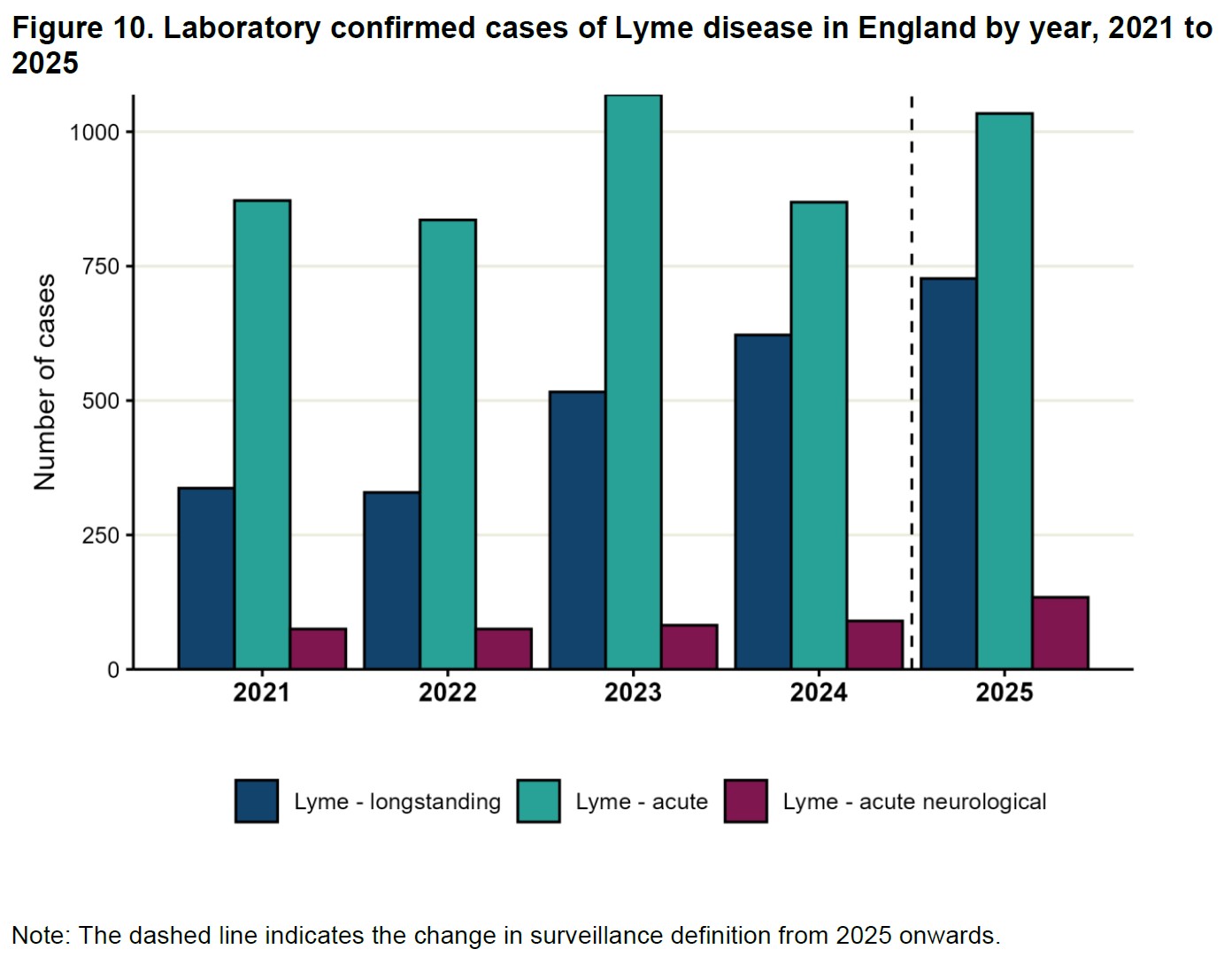
Fig 10 UKHSA One Health Vector-borne disease surveillance report 2025
But what about the increasing number of people being described as having “Lyme – longstanding”? In the figure above, the dark blue columns, this number can be seen to have been steadily rising over the last 5 years, and reached 727 in 2025.
The UKHSA report points out that these cases may have had a positive blood test because of past disease; maybe they had Lyme disease 5 years ago, and the antibodies, detected by the blood test, are still there. Read about the blood tests here.
However, those people were ill.
With something.
That is why they have consulted their doctor.
And their doctor has considered Lyme disease possible and taken a blood sample.
We hope those 727 people with “Lyme-longstanding” got appropriate treatment, because as likely as not, the laboratory will have returned the test result saying “consistent with Lyme borreliosis at some time”, implying that it may not be a case of active disease.
Down to the doctor then, to decide! All the UKHSA laboratory can do is to return the test result. They cannot say whether the patient does, or doesn’t, have Lyme disease.
Let’s hope that each of those patients had a doctor who listened to the story of the patient: when they may have had a tick bite, how their symptoms started and what they feel now. Lyme disease is not always easy to diagnose and other possibilities do need considering.
Because we have not had Lyme disease in the UK as long as they have in Europe, we only have a very small percentage of people who will have a positive test result simply because of past disease – those antibodies that take some time to die away. [2] Interpreting the test result is much more of a problem in Europe than it is here. UK doctors may not know this.
Late diagnosed cases can take longer to recover, and these people are more likely to have continuing symptoms after treatment. We do need to follow them up, because continuing symptoms after appropriate treatment are a problem for which nobody yet has an answer. See our Continuing Symptoms page where we discuss this.
Is there any UK research following up these “longstanding” patients to see how they are doing? Is anyone interested in the problem? Or is it only the patients – driven to search elsewhere for an answer and a return to health?
References
- UKHSA One Health vector-borne disease surveillance report 2025. Published May 2026
- Hart E, et al. 2025 Seroprevalence of Borrelia burgdorferi sensu lato antibodies in English adult blood donors: A nationwide cross-sectional study, 2021–2022. Ticks Tick Borne Dis; 16,1
 Printer Friendly